
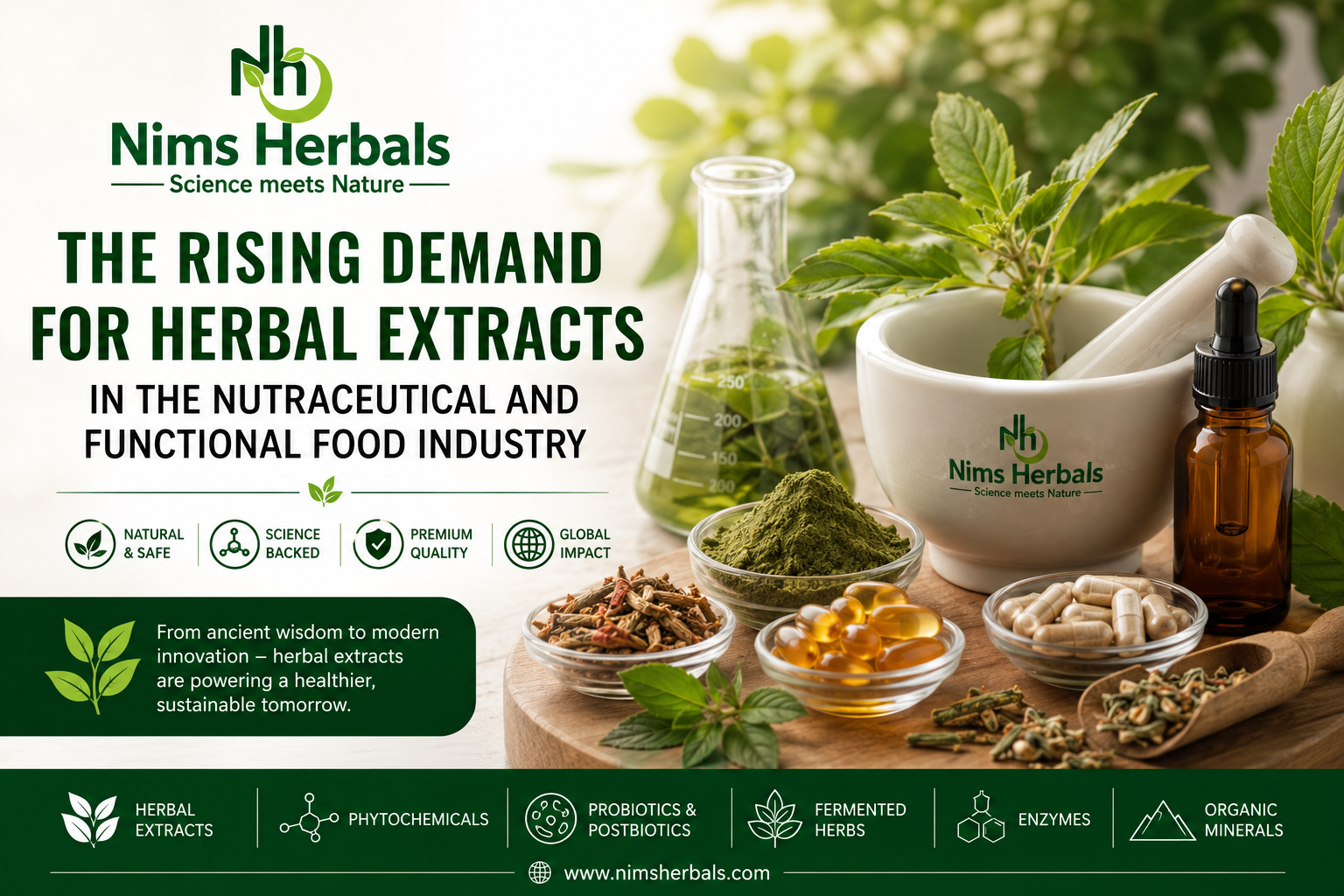
Consumers around the world are becoming increasingly conscious about what they eat and how it affects their overall health. This growing awareness has accelerated the demand for natural, plant-based ingredients that offer both nutritional value and scientifically recognized health benefits. Among these, herbal extracts have emerged as one of the most important categories in the nutraceutical and functional food industries. Unlike synthetic ingredients, herbal extracts are derived directly from botanicals and are valued for their naturally occurring bioactive compounds. These compounds include polyphenols, flavonoids, alkaloids, terpenoids, carotenoids, and other phytochemicals that contribute to overall wellness and support various physiological functions. Today, herbal extracts are widely incorporated into dietary supplements, functional beverages, fortified foods, sports nutrition products, herbal medicines, personal care products, and even pet nutrition. Their versatility and effectiveness have made them an essential ingredient for manufacturers seeking clean-label, scientifically supported, and consumer-friendly formulations. At NIMS Herbals, we focus on delivering high-quality botanical ingredients manufactured using advanced extraction technologies and stringent quality standards. Our goal is to provide reliable herbal solutions that help businesses develop innovative products for global markets. Understanding Herbal Extracts Herbal extracts are concentrated forms of medicinal or nutritional plants obtained through specialized extraction processes. These processes isolate beneficial compounds while maintaining their potency and consistency. Unlike raw herbs, standardized extracts ensure: Higher concentration of active compounds Better formulation consistency Improved shelf life Enhanced bioavailability Reliable product performance Modern extraction technologies enable manufacturers to preserve sensitive plant compounds while minimizing impurities and ensuring quality. Why the Global Market is Growing Several market trends are driving the increased demand for herbal extracts across industries. 1. Consumer Preference for Natural Ingredients Modern consumers increasingly read product labels and prefer recognizable, plant-derived ingredients over synthetic alternatives. Products containing herbal extracts are often perceived as safer and more aligned with healthy lifestyles. 2. Growth of Preventive Healthcare Rather than waiting for illness, many consumers now prioritize preventive wellness. Herbal ingredients are commonly used in formulations that support immunity, digestion, heart health, cognitive wellness, energy, stress management, and healthy aging. 3. Expansion of Functional Foods Food is no longer viewed solely as a source of calories. Functional foods enriched with botanical ingredients provide additional health benefits while fitting seamlessly into everyday diets. 4. Increasing Scientific Validation Research on phytochemicals and botanical compounds continues to expand, helping manufacturers create evidence-based formulations that meet evolving consumer expectations. Popular Herbal Extract Categories The herbal ingredient industry encompasses a wide variety of botanical extracts designed for different applications. Botanical Extracts Plant-derived extracts are widely used in capsules, tablets, powders, teas, beverages, and functional foods. Common applications include: Immune health Antioxidant support Digestive wellness Joint health Liver support Heart wellness Phytochemicals Phytochemicals are naturally occurring bioactive compounds responsible for many of the health-promoting properties of plants. Examples include: Polyphenols Flavonoids Curcuminoids Saponins Terpenes Carotenoids These compounds are frequently used in nutraceuticals and premium dietary supplements. Herbal Powders Herbal powders remain an excellent option for nutritional beverages, instant mixes, functional snacks, and customized formulations. Applications Across Industries The versatility of herbal extracts enables manufacturers to innovate across multiple industries. Nutraceuticals The nutraceutical sector remains one of the largest users of standardized herbal ingredients. Applications include: Capsules Tablets Gummies Soft gels Sachets Functional powders Functional Foods Food manufacturers increasingly incorporate botanical ingredients into: Protein bars Breakfast cereals Dairy alternatives Plant-based foods Functional chocolates Health snacks Functional Beverages Consumers now expect beverages to deliver health benefits beyond hydration. Common products include: Herbal teas Wellness drinks Energy beverages Botanical waters Nutrition drinks Sports Nutrition Natural botanical ingredients are becoming popular among athletes seeking clean-label performance support. Personal Care Herbal extracts are also widely used in: Skin care Hair care Anti-aging products Cosmetic formulations Natural beauty products Importance of Standardization One of the greatest challenges in botanical manufacturing is maintaining consistency. Environmental factors such as climate, soil conditions, harvesting methods, and seasonal variation can affect plant composition. Standardization helps ensure that every production batch delivers: Consistent potency Reliable quality Controlled active compounds Improved product performance Regulatory confidence This consistency is especially important for manufacturers serving international markets. Quality Matters More Than Ever Choosing the right herbal ingredient supplier plays a crucial role in product success. Key considerations include: Raw material sourcing Botanical authentication Controlled manufacturing processes Microbiological safety Heavy metal testing Residual solvent testing Batch traceability Documentation support A quality-driven manufacturing process reduces formulation risks and supports regulatory compliance. Sustainable Sourcing Responsible sourcing has become a major priority across the global botanical industry. Sustainable practices include: Ethical procurement Responsible harvesting Environmentally conscious processing Waste reduction initiatives Long-term supplier partnerships These practices help protect biodiversity while ensuring a stable supply of premium botanical ingredients. Innovation Through Research and Development Research and development continue to shape the future of herbal ingredients. Advanced extraction technologies now allow manufacturers to produce: Highly concentrated extracts Improved solubility Better stability Enhanced bioavailability Customized ingredient profiles Innovation also supports the development of next-generation functional foods and nutraceutical products. Why Manufacturers Choose Trusted Ingredient Partners Businesses developing nutraceuticals and functional foods require more than raw materials. They need dependable partners capable of delivering consistent quality, technical expertise, and scalable production. An experienced botanical ingredient manufacturer can support customers with: Product development Ingredient customization Technical documentation Quality assurance Global supply capabilities Regulatory support This collaborative approach accelerates innovation and helps brands launch products with confidence. The Future of Herbal Extracts The future of herbal extracts is driven by growing consumer demand for preventive healthcare, clean-label nutrition, and scientifically supported botanical solutions. Emerging trends include: Personalized nutrition Plant-based wellness products Fermented botanical ingredients Advanced phytochemical formulations Sustainable ingredient sourcing Natural immune-support products Functional beverages Next-generation nutraceuticals Companies investing in high-quality botanical ingredients today will be well positioned to meet tomorrow's consumer expectations. Conclusion Herbal extracts have become an indispensable component of the nutraceutical and functional food industries. Their ability to deliver naturally occurring bioactive compounds, combined with growing scientific validation and consumer demand for clean-label products, makes them one of the fastest-growing ingredient categories worldwide. As innovation continues to transform the health and wellness industry, manufacturers require ingredient partners that prioritize quality, consistency, research, and sustainability. At NIMS Herbals, we are committed to supplying premium botanical ingredients that support the development of innovative nutraceutical, functional food, and wellness products for global markets. Through rigorous quality standards, advanced manufacturing capabilities, and a customer-focused approach, we help businesses create products that meet the evolving needs of today's health-conscious consumers. Whether you are developing dietary supplements, functional beverages, plant-based nutrition, or specialized wellness formulations, choosing the right herbal ingredient partner is the foundation for long-term success.
01 Jul 2026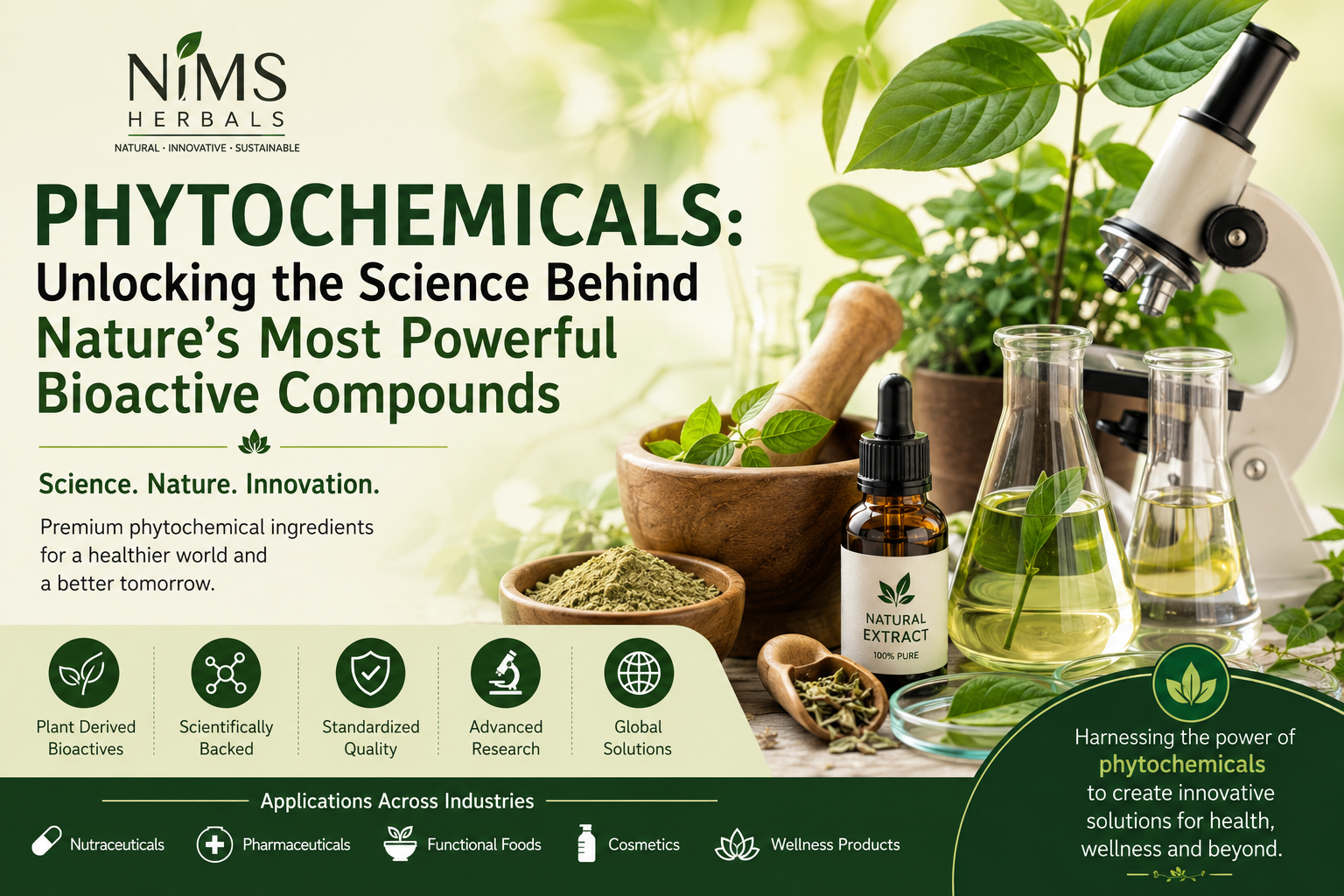
Plants naturally produce thousands of bioactive compounds that contribute to their growth, protection, and survival. These naturally occurring substances, known as phytochemicals, have gained worldwide attention for their potential role in nutrition, wellness, and product innovation. Today, phytochemicals are widely incorporated into dietary supplements, pharmaceuticals, cosmetics, food products, beverages, and personal care formulations. Their unique biological properties make them valuable ingredients across multiple industries. As scientific research advances, manufacturers are developing standardized phytochemical ingredients that deliver consistent quality and performance. This growing interest has created new opportunities for companies seeking innovative botanical solutions. Understanding Phytochemicals Phytochemicals are naturally occurring compounds produced by plants that contribute to their color, flavor, aroma, and defense mechanisms. Common categories include: Polyphenols Flavonoids Alkaloids Carotenoids Terpenoids Tannins Saponins Glycosides Each category possesses distinct chemical characteristics and industrial applications. Why Industries Value Phytochemicals Businesses choose phytochemicals because they offer: Naturally derived ingredients High consumer acceptance Scientific research support Versatile formulation options Wide application across industries Applications of Phytochemicals Dietary Supplements Used in capsules, powders, tablets, gummies, and liquid formulations. Functional Beverages Added to juices, teas, nutritional drinks, and wellness beverages. Pharmaceuticals Used as active botanical ingredients and research compounds. Cosmetics Integrated into skincare and haircare products due to their plant-derived properties. Manufacturing High-Quality Phytochemicals Quality begins with: Botanical identification Controlled sourcing Modern extraction technology Standardization Laboratory validation Secure packaging Importance of Research and Development R&D helps improve: Extraction efficiency Compound stability Product innovation Ingredient consistency Regulatory compliance Regulatory Considerations Manufacturers supplying global markets should align with applicable quality systems and customer requirements. Typical focus areas include: Good Manufacturing Practices (GMP) Product traceability Laboratory testing Quality documentation International customer specifications Sustainability in Botanical Manufacturing Sustainable manufacturing practices include: Responsible sourcing Water conservation Energy-efficient processing Waste reduction Eco-friendly packaging These initiatives support long-term environmental and business sustainability. Future Opportunities Emerging opportunities include: Personalized nutrition Functional ingredients Clean-label products Botanical innovation Evidence-based herbal formulations Global wellness markets Benefits of Partnering with an Experienced Manufacturer Reliable manufacturing partners offer: Consistent product quality Technical expertise Documentation support Supply chain reliability Product customization Regulatory assistance Conclusion Phytochemicals represent one of the fastest-growing segments within the botanical ingredient industry. As demand for natural, science-backed solutions continues to rise, organizations that prioritize quality, research, sustainability, and innovation will be well-positioned to serve evolving global markets. Businesses seeking premium botanical ingredients benefit from working with manufacturers committed to excellence throughout sourcing, production, testing, and customer support.
01 Jun 2026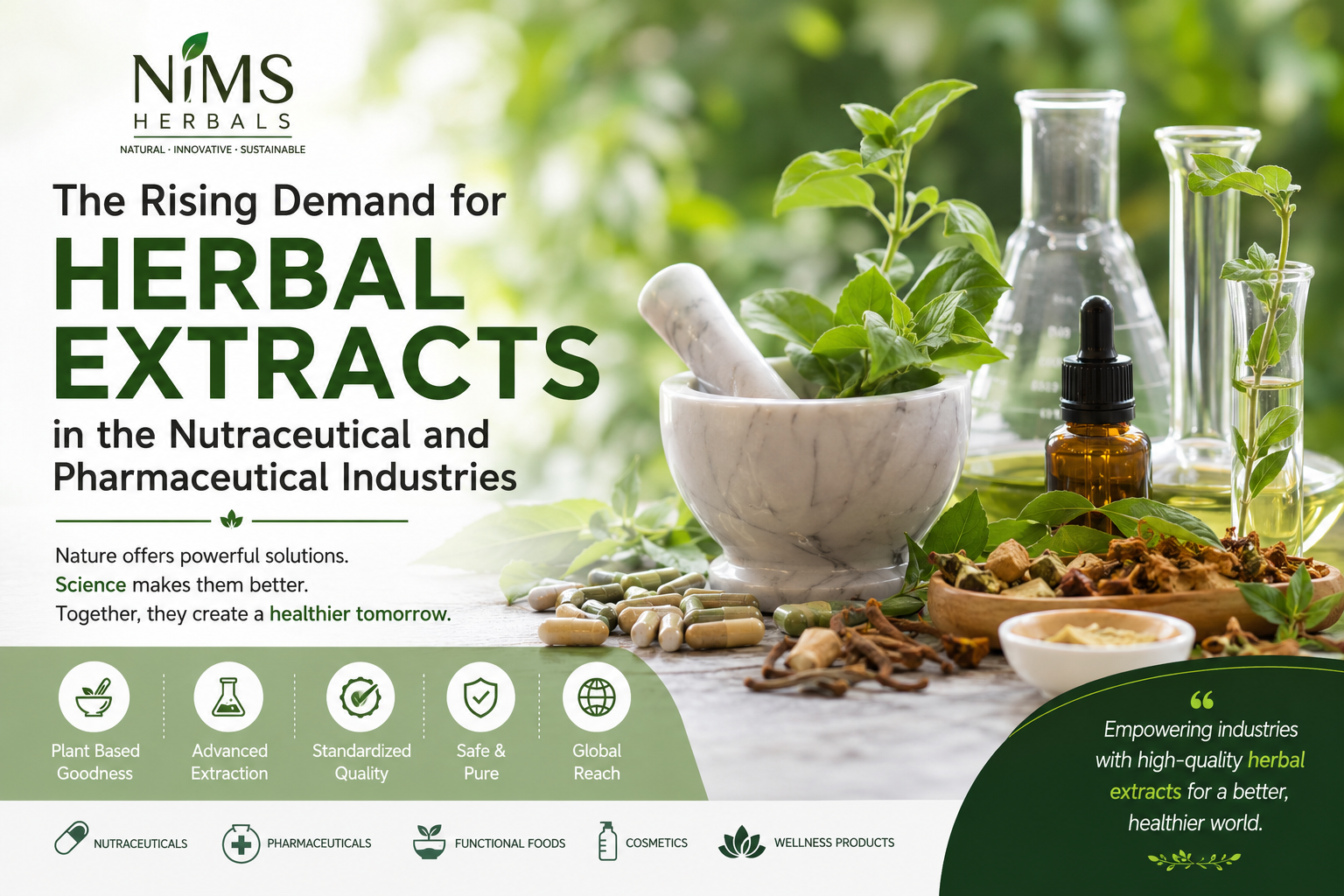
The global healthcare industry is experiencing a significant transformation as consumers increasingly seek natural, plant-based solutions to support their health and well-being. This shift has driven unprecedented demand for herbal extracts, phytochemicals, and botanical ingredients across nutraceutical, pharmaceutical, food, cosmetic, and wellness industries. Manufacturers worldwide are investing in high-quality botanical ingredients that offer scientifically supported health benefits while meeting stringent international quality standards. Herbal extracts have become essential components in dietary supplements, functional foods, herbal medicines, beverages, cosmetics, and personal care products. As consumers become more conscious about ingredient transparency and sustainable sourcing, businesses are actively searching for trusted suppliers capable of delivering standardized herbal extracts with consistent potency and purity. Companies that focus on advanced extraction technologies, rigorous quality control, and scientific validation are helping shape the future of the botanical ingredient industry. This article explores the importance of herbal extracts, their applications, manufacturing processes, quality considerations, and future market opportunities. What Are Herbal Extracts? Herbal extracts are concentrated preparations obtained from various plant parts such as: Roots Leaves Bark Flowers Fruits Seeds Rhizomes The extraction process isolates beneficial bioactive compounds while removing unwanted plant materials. These concentrated ingredients retain the therapeutic properties of the original herb and can be standardized for consistent efficacy. Why Herbal Extracts Are Growing in Popularity Several factors contribute to the increasing global demand for herbal extracts. Consumer Preference for Natural Products Modern consumers prefer products derived from natural plant sources over synthetic alternatives whenever possible. Growing Nutraceutical Industry The dietary supplement market continues to expand due to increasing awareness of preventive healthcare and wellness. Scientific Validation Research continues to demonstrate the health-supporting properties of numerous plant-derived compounds. Functional Foods Manufacturers are incorporating herbal ingredients into foods and beverages to provide additional nutritional value. Common Types of Herbal Extracts The botanical industry produces extracts from hundreds of medicinal plants, including: Turmeric Extract Ashwagandha Extract Green Tea Extract Boswellia Extract Ginger Extract Ginseng Extract Garlic Extract Neem Extract Amla Extract Holy Basil Extract Each botanical offers unique phytochemicals that support various health applications. Applications Across Industries Nutraceuticals Herbal extracts are widely used in: Capsules Tablets Gummies Powders Liquid supplements These products are designed to support immunity, digestion, heart health, brain function, and overall wellness. Pharmaceuticals Many pharmaceutical formulations incorporate plant-derived active ingredients that have been scientifically evaluated for therapeutic applications. Functional Foods Manufacturers enrich food products using botanical ingredients such as: Herbal teas Protein blends Health drinks Nutrition bars Functional beverages Cosmetics Plant extracts contribute to: Anti-aging creams Skin serums Hair care products Face masks Herbal soaps Importance of Standardization Standardization ensures every batch contains consistent levels of active compounds. Benefits include: Reliable performance Batch consistency Regulatory compliance Improved customer confidence Better product quality Quality Control in Herbal Manufacturing Leading manufacturers implement comprehensive quality management systems involving: Raw Material Inspection Each botanical undergoes identification and quality verification. Laboratory Testing Products are tested for: Purity Identity Moisture Heavy metals Microbial contamination Pesticide residues Active compound concentration Manufacturing Controls Production follows Good Manufacturing Practices (GMP) to ensure product consistency. Sustainable Sourcing Responsible sourcing includes: Ethical farming practices Sustainable harvesting Traceability Environmental conservation Long-term supplier partnerships These practices ensure consistent availability while protecting natural ecosystems. Emerging Trends The future of herbal extracts includes: Personalized nutrition AI-assisted botanical research Organic ingredients Clean-label formulations Sustainable manufacturing Green extraction technologies Choosing the Right Herbal Ingredient Partner Businesses should evaluate suppliers based on: Manufacturing capabilities Certifications Product consistency Documentation Technical support Regulatory compliance Research expertise Global export capability Conclusion Herbal extracts continue to transform healthcare, nutrition, and wellness industries. Their versatility, scientific relevance, and consumer acceptance make them indispensable ingredients for modern formulations. Organizations investing in high-quality botanical ingredients supported by robust quality systems and innovation will remain well-positioned to meet growing global demand.
01 May 2026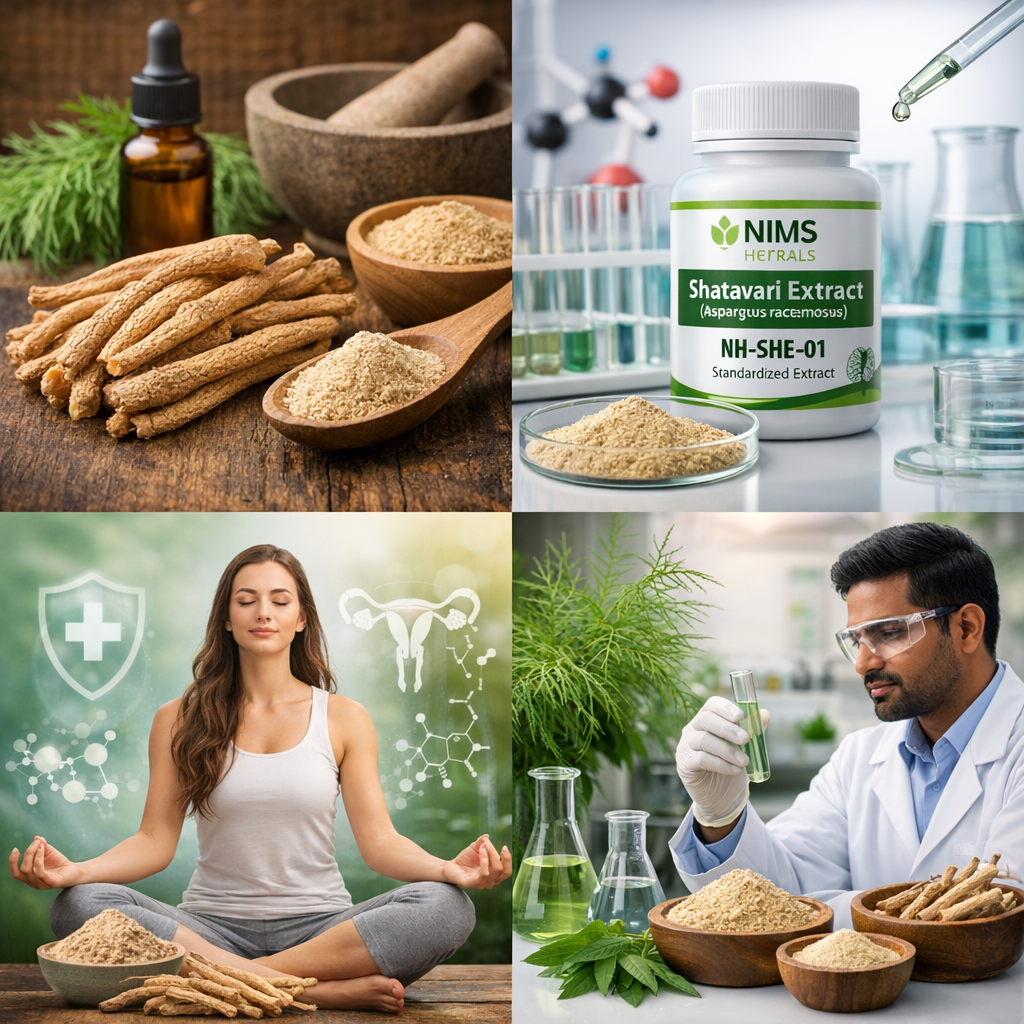
In the realm of herbal science and nutrition, Asparagus racemosus, commonly known as Shatavari, stands out as a prized botanical extract. This ancient Ayurvedic herb is being standardised and adapted for modern health needs, thanks to companies like NIMS Herbals that blend traditional knowledge with scientific quality checks. The root extract, which is high in saponins, acts as a powerful adaptogen, supports the immune system, and promotes reproductive health in nutraceuticals, herbal supplements, and functional foods. This article will examine the science, traditional uses, therapeutic potential, and ongoing research related to standardized Asparagus racemosus extract. It will also contextualize your company’s work within current research trends.
01 Apr 2026
Herbal extracts play a key role in natural wellness. Explore five powerful herbal extracts that support digestion, immunity, energy, and overall health.
01 Mar 2026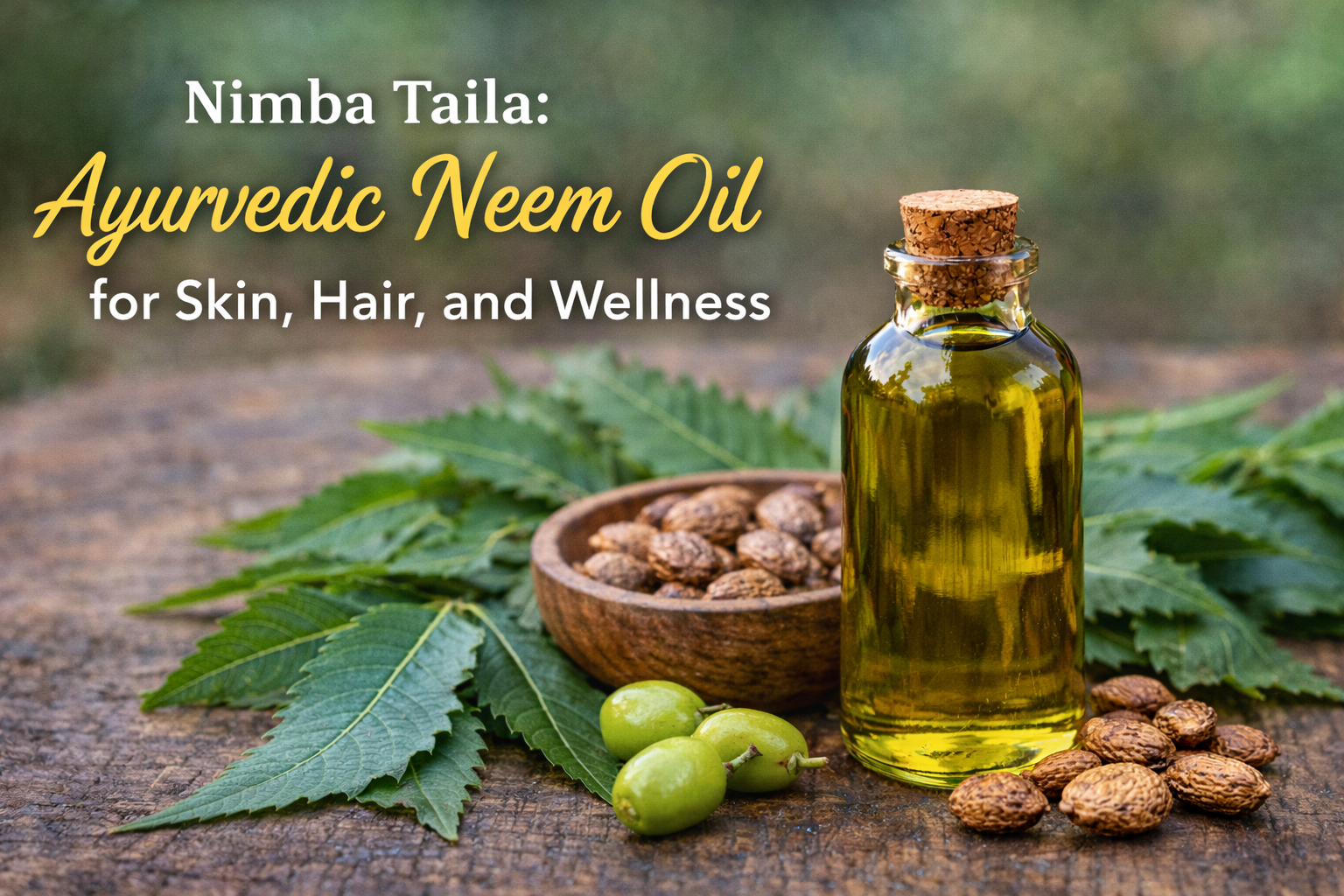
Nimba Taila, or neem oil, is a powerful Ayurvedic remedy for skin and hair care. Learn its benefits, traditional uses, and safe application methods.
01 Feb 2026
Neem has been used for centuries in Ayurveda as a natural healer. Discover why this powerful herb is known as the “Village Pharmacy” and how it supports skin, immunity, and overall wellness.
24 Jan 2026


Copyright © 2025, Nims Herbals. All rights reserved. Developed by Elhan Technologies.

